AUTOMOTIVE & MOBILITY SYSTEMSEnvironmentCold start, heat, sunlight and vibration Electrical fitInterface, EMC, power and initialization Mechanical stackMounting, FPC, cover lens and touch Quality evidenceIATF 16949 and controlled project support
Automotive TFT LCD Display
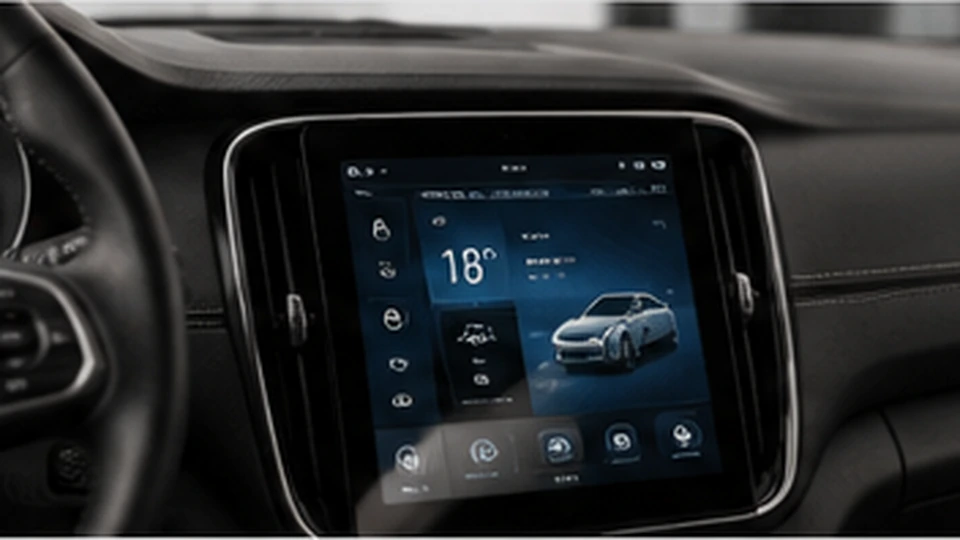
An Automotive TFT LCD Display must be reviewed around the vehicle location, sunlight, temperature, vibration, EMC, touch, mechanical stack, quality controls and program lifecycle. DISEA supports display-module engineering and publishes IATF 16949 quality evidence; final vehicle-system qualification remains project-specific.
BUYER CHECKLIST
Automotive Display Inputs to Define
Vehicle location and system architecture determine the display, qualification and documentation path.
- In-cabin or external location and installed viewing geometry
- Operating/storage temperature, cold start and solar loading
- Brightness, reflections, polarizer and day/night dimming
- Vibration, shock, mounting, FPC and connector retention
- Host interface, power sequencing, grounding and EMC plan
- Touch, cover lens, optical bonding, forecast and program life
DOCUMENTED EVIDENCE
Automotive Quality and Manufacturing Evidence
DISEA publishes an IATF 16949 certificate and appendix for automotive quality management covering the design and manufacture of liquid crystal display modules. Buyers should review certificate scope and validity against their supplier-qualification requirements.
IATF evidence does not by itself qualify a specific module for every vehicle location. Temperature, sunlight, vibration, EMC, materials, touch stack and system-level validation must be defined and approved for the program.
ENGINEERING DECISIONS
Automotive Display Requirement Matrix
Connect each vehicle condition to a display decision and validation record.
| Requirement | Display Decision | Evidence to Confirm |
|---|---|---|
| Cold and heat | LCD mode, backlight, materials and touch stack | Cold-start, high-temperature and cycling plan |
| Sunlight and reflections | Luminance, polarizer, bonding and cover treatment | Installed-angle and ambient-light evaluation |
| Vibration and mechanics | Mounting, connector, FPC, cover and adhesive | Assembly drawing and vibration profile |
| Electrical and EMC | Interface, power, grounding and cable/FPC design | Host schematic, timing and system EMC plan |
PROJECT FIT
Automotive and Mobility Display Contexts
Each location has different optical, environmental and qualification requirements.
Center-stack controls
Touch, cover-lens appearance, day/night brightness and thermal conditions.
Instrument and status displays
Viewing geometry, response, readability and host timing.
Charging and energy systems
Outdoor light, wide temperature, sealing and long operating periods.
Commercial vehicle controls
Glove input, vibration, sunlight and lifecycle requirements.
Mobility equipment
Compact mechanics, power, interface and environmental handling.
Vehicle accessory systems
Project-specific integration, EMC and supply planning.
ENGINEERING FAQ
Questions from Product and Procurement Teams
Is DISEA IATF 16949 certified?
DISEA publishes an IATF 16949 certificate and appendix for automotive quality management covering the design and manufacture of liquid crystal display modules.
Is every DISEA TFT LCD qualified for automotive use?
No. Suitability depends on the specific model, vehicle location, environmental targets, qualification plan and customer approval.
What information starts an automotive display review?
Send the vehicle location, optical target, temperature range, vibration profile, interface, power, touch, mechanical envelope, validation requirements and program forecast.
B2B RFQ
Prepare an RFQPrepare an Automotive TFT LCD Review
Include vehicle location, optical and temperature targets, interface, power, touch, mechanical constraints, validation plan, annual forecast and program timing.