Display Solutions by Application

Operating conditions determine the optical, touch, structural and interface priorities of a display. Review the five application groups below before selecting a standard or customized TFT LCD module.

← Back to application cards
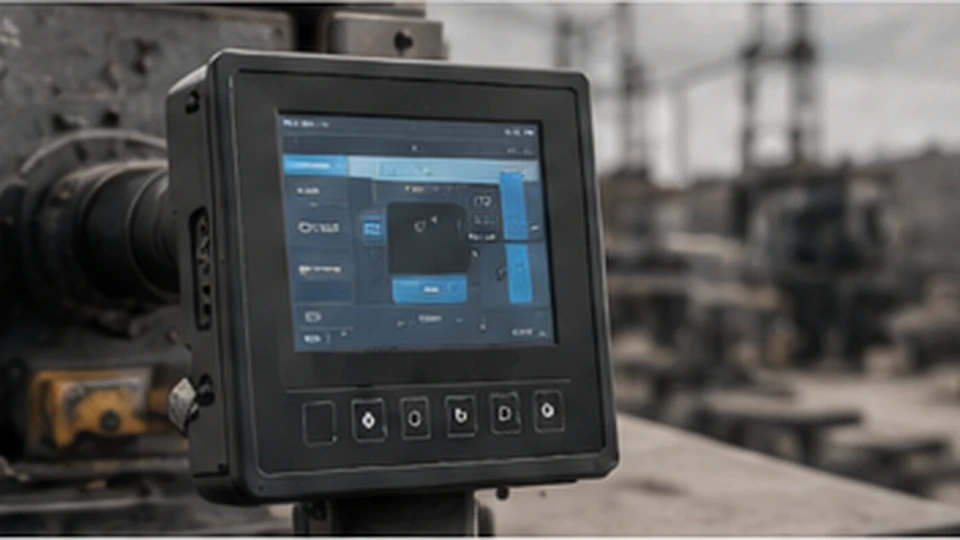
Industrial display terminal in a factory environment
01 · INDUSTRIAL & OUTDOOR

Reliable visibility for demanding operating conditions

Common challenge
Readability, temperature and continuous operation.
Recommended focus
High brightness, wide-temperature review, anti-glare cover lens and stable interface.

Industrial and outdoor equipment often runs for long periods while being exposed to changing light, heat, cold, vibration or electrical noise. The display should be selected around the actual installation environment rather than size alone.

  • Confirm target luminance and direct-sunlight exposure.
  • Review operating and storage temperature requirements.
  • Evaluate cover-lens treatment, sealing and mounting structure.
  • Confirm interface distance, cable routing and signal stability.
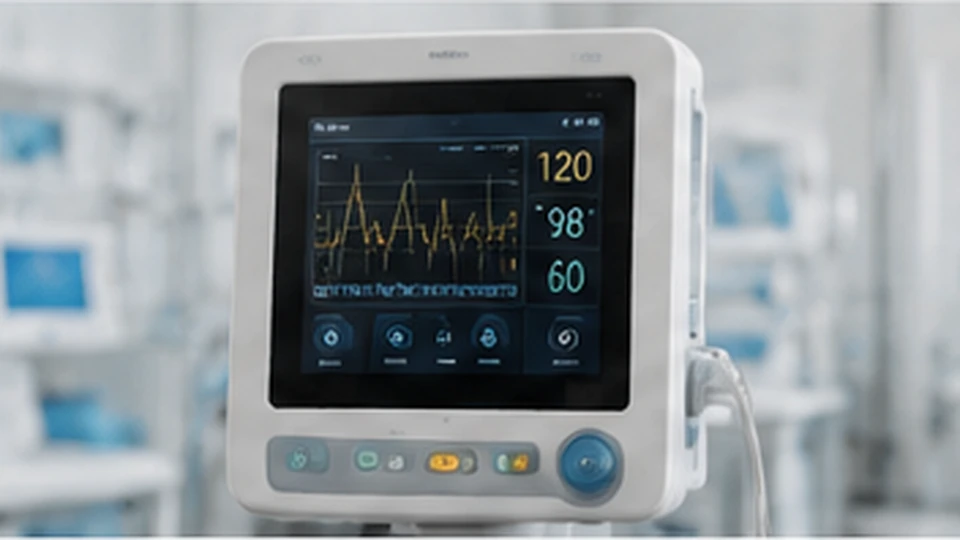
Medical instrument display with clear data visualization
02 · MEDICAL & INSTRUMENTS

Clear information and consistent interaction

Common challenge
Clear UI, stable appearance and reliable touch.
Recommended focus
Viewing performance, controlled appearance and documentation support.

Medical devices and precision instruments depend on legible information, predictable color and a touch interface that remains stable throughout product use. Mechanical fit and long-term component availability should be reviewed early.

  • Prioritize viewing angle, contrast and UI readability.
  • Review touch operation with gloves or cleaning procedures.
  • Control cover-glass appearance and surface treatment.
  • Prepare drawings and specification records for project continuity.
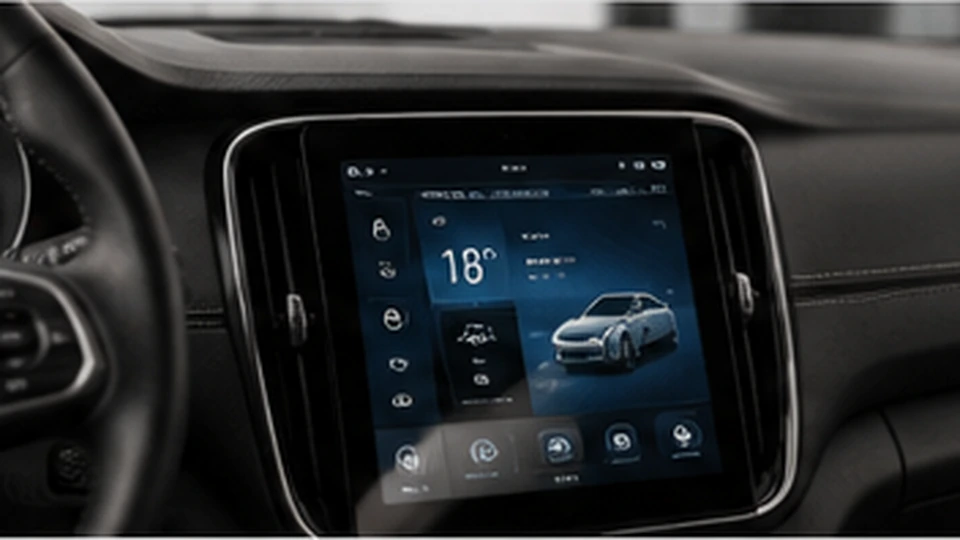
Automotive display integrated into a dashboard
03 · AUTOMOTIVE

Mechanical and electrical stability inside the vehicle

Common challenge
Vibration, temperature and electromagnetic conditions.
Recommended focus
Mechanical reliability, interface stability and EMI / EMC review.

Automotive display projects require careful coordination between the LCD module, cover lens, cable, connector and mounting structure. Temperature changes and electromagnetic conditions can affect both image and touch performance.

  • Review vibration-resistant mounting and connector retention.
  • Confirm temperature range and thermal design around the module.
  • Evaluate EMI / EMC risks for display and touch signals.
  • Check sunlight readability, reflections and driver viewing angle.
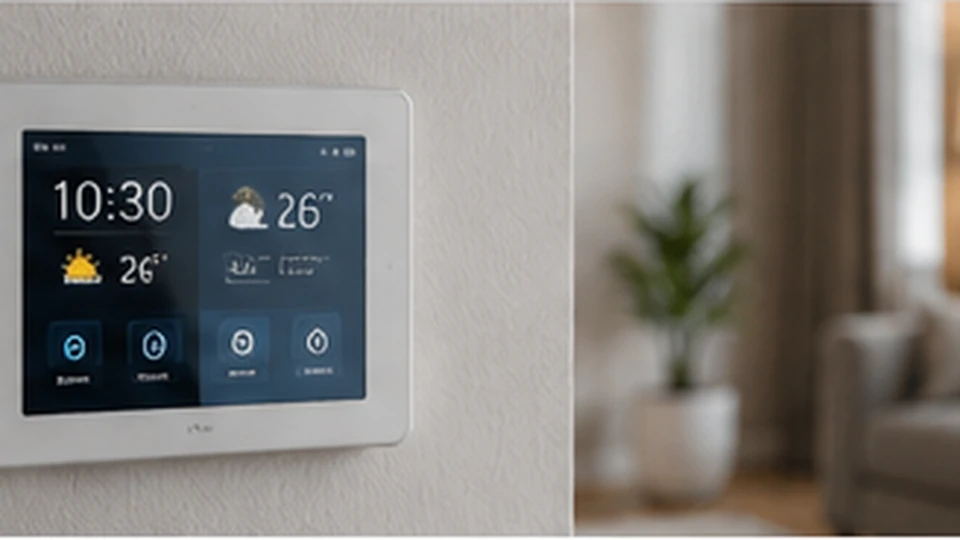
Smart home control display mounted on a wall
04 · SMART HOME & WEARABLE

Compact integration with a refined product appearance

Common challenge
Thin structure, appearance and compact integration.
Recommended focus
IPS options, cover-lens design and round or bar-type formats.

Smart-home and wearable products often place appearance, thickness and interaction at the center of the design. The display, touch sensor and cover glass should be planned as one integrated assembly.

  • Compare IPS viewing performance and low-profile module options.
  • Coordinate cover-lens shape, printing, surface finish and bonding.
  • Evaluate special shapes, round displays or bar-type formats.
  • Optimize FPC direction, connector position and internal space.
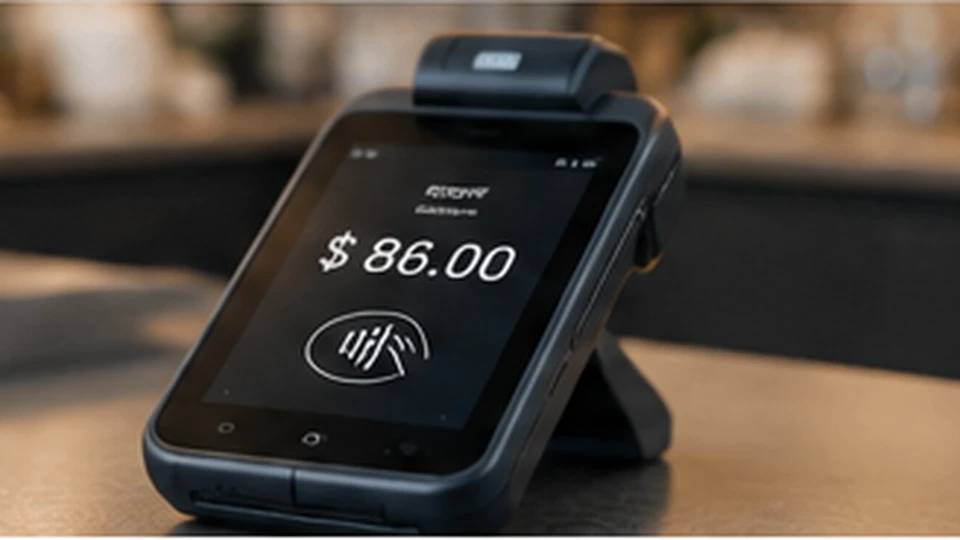
Handheld POS terminal with compact touch display
05 · POS, PDA & HANDHELD

Durable touch performance in a compact device

Common challenge
Touch use, durability and space limitations.
Recommended focus
Touch integration, cover-lens protection and compact mechanical design.

Handheld terminals need a compact module that remains readable, responsive and mechanically protected during frequent operation. Cable placement and product thickness can be as important as display resolution.

  • Confirm touch operation, glove use and expected input method.
  • Review cover-lens thickness, impact protection and bonding.
  • Optimize module outline, FPC length and connector placement.
  • Balance brightness, power consumption and battery runtime.
APPLICATION REVIEW

Share the operating environment before selecting the module

Provide the device type, installation conditions, target size, interface, touch requirements and expected volume. The engineering team can compare standard modules and customization paths.

Discuss Your Application
  1. EnvironmentIndoor or outdoor use, temperature, vibration, moisture and light conditions.
  2. Display targetSize, resolution, brightness, viewing angle and appearance.
  3. Touch & cover lensFinger, glove or stylus use, protection and surface treatment.
  4. Mechanical limitsOutline, thickness, mounting, FPC direction and connector position.